
SHINY GERANIUM
(Geranium lucidum)
Other common names: Shining geranium, shiny-leaf geranium, shining crane’s bill
Weed Class/Rating: “B” Rated weed by ODA. “A weed of economic importance which is regionally abundant, but may have limited distribution in some counties.”
Family: Geraniaceae (the geranium family)
Lifecycle: Grows predominantly as a winter annual, though it may also behave as an annual or biennial depending on conditions.
Average Height: Typically 4-18 inches tall.
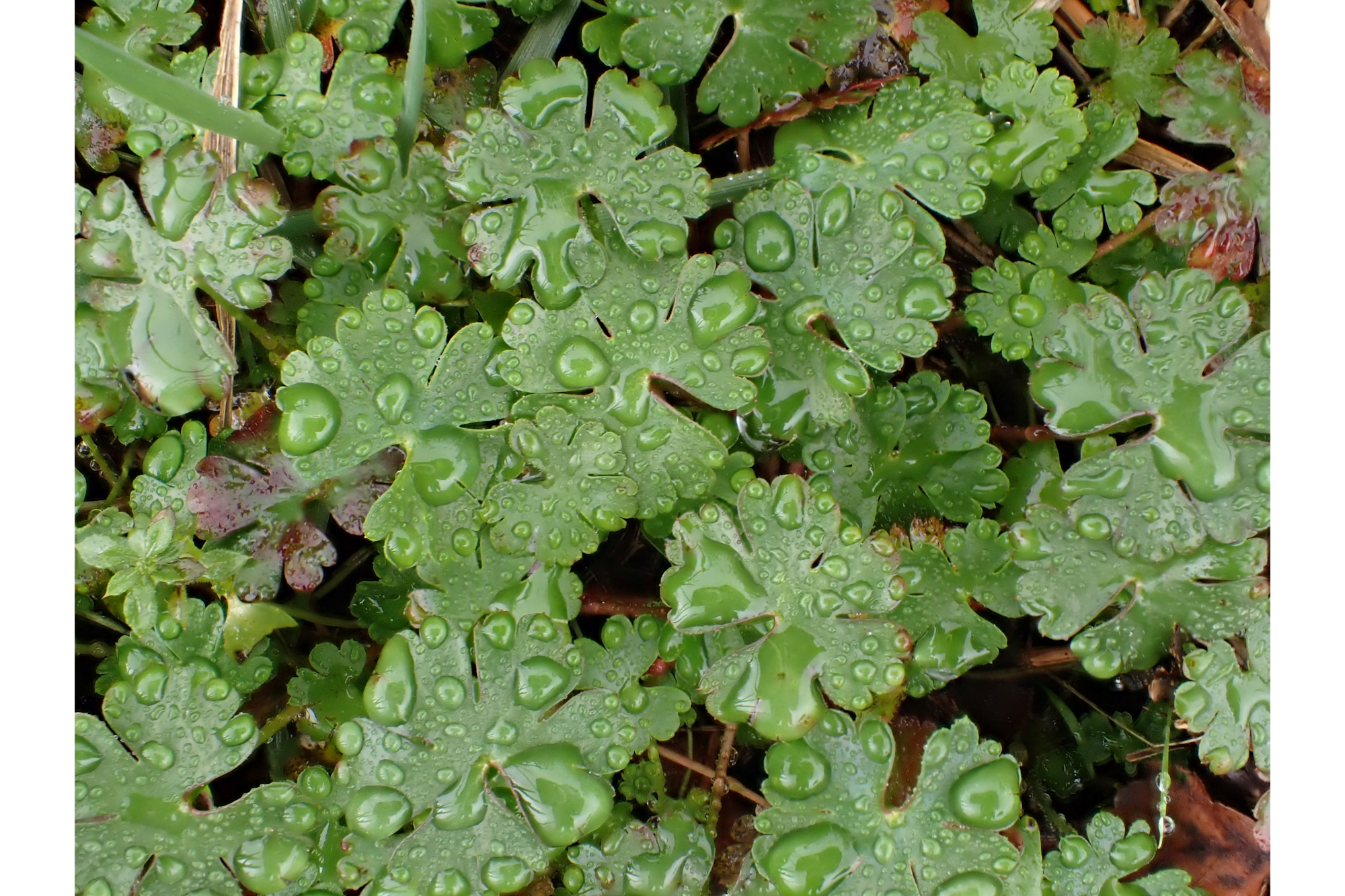
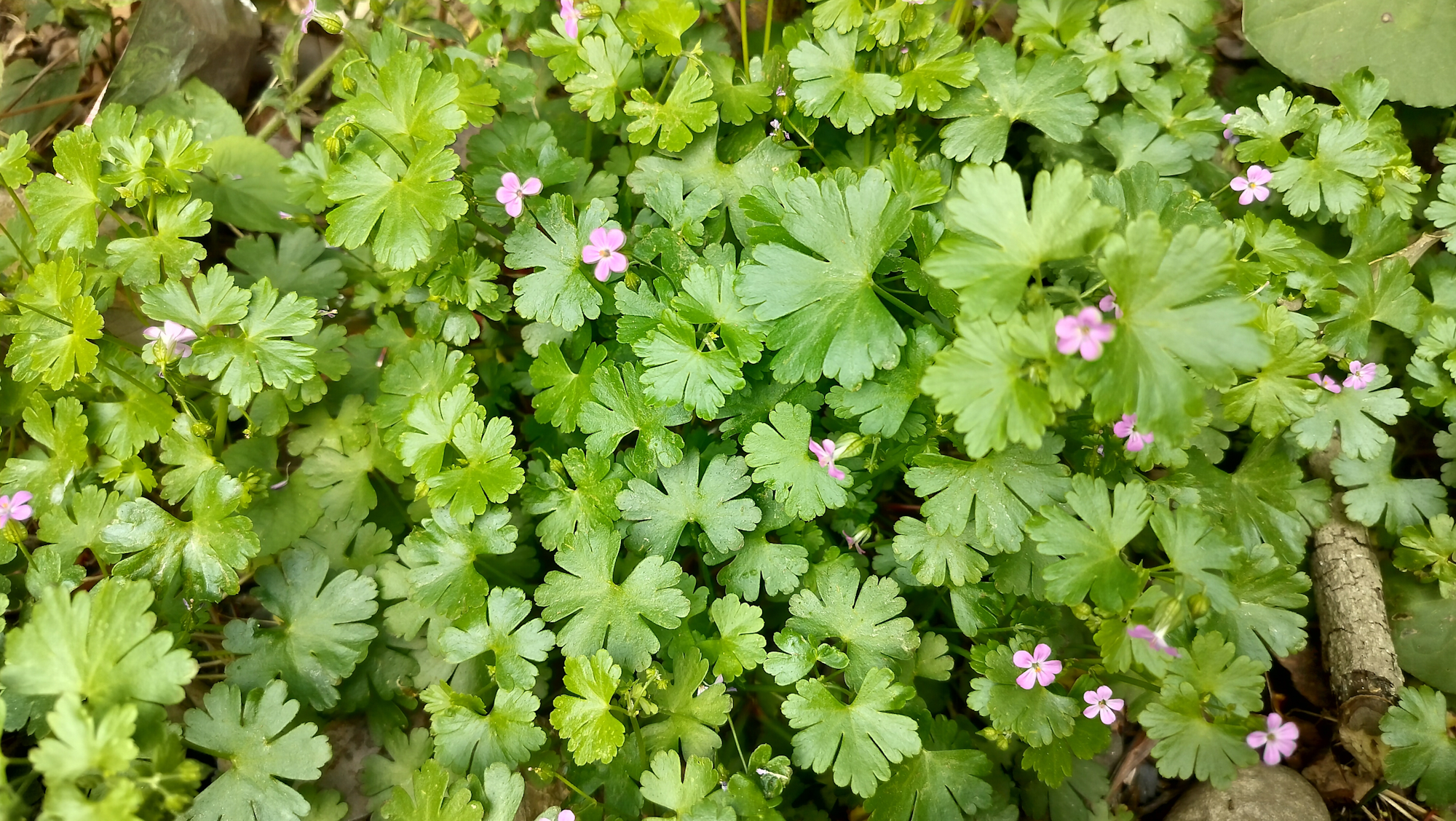
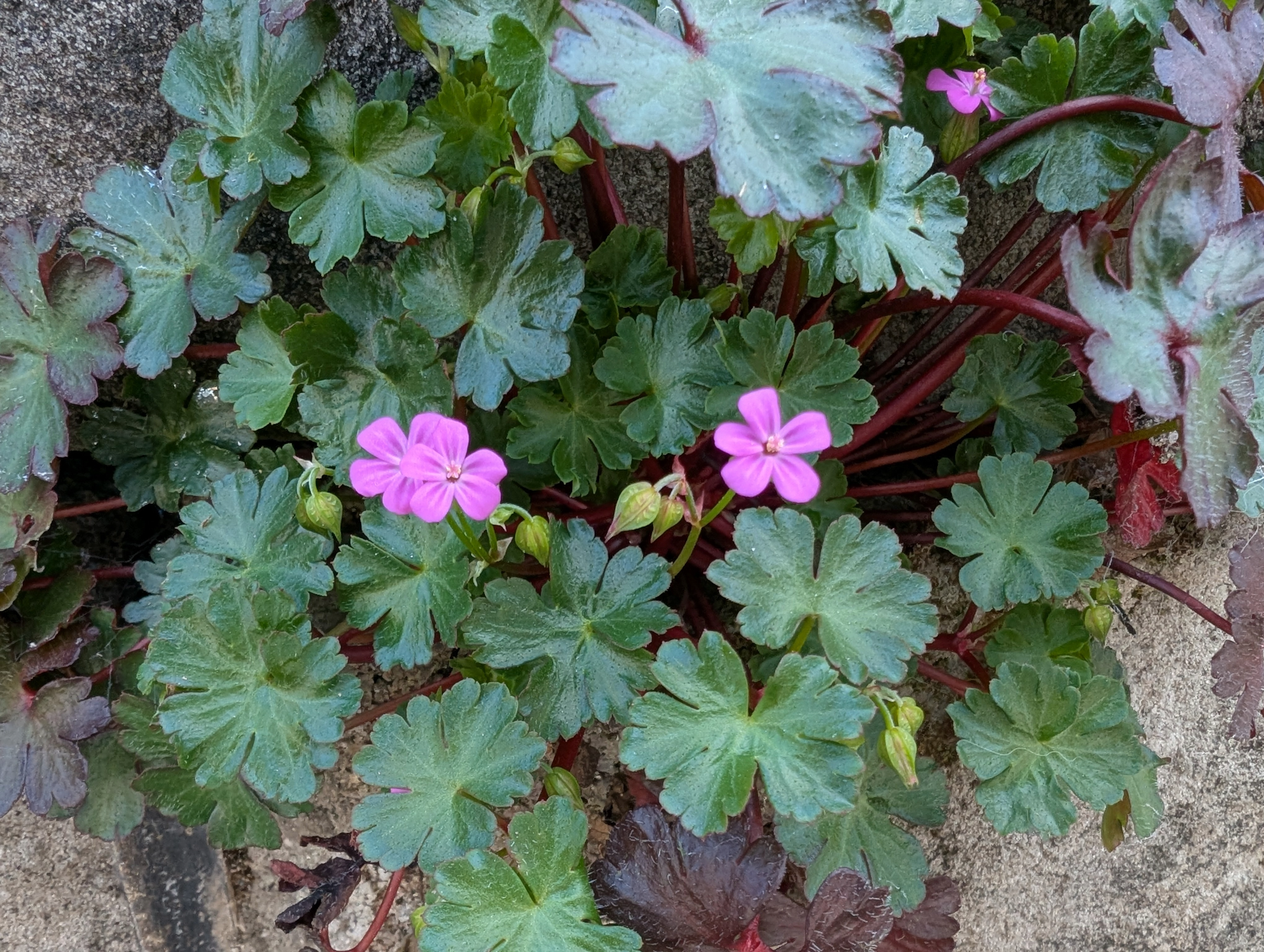
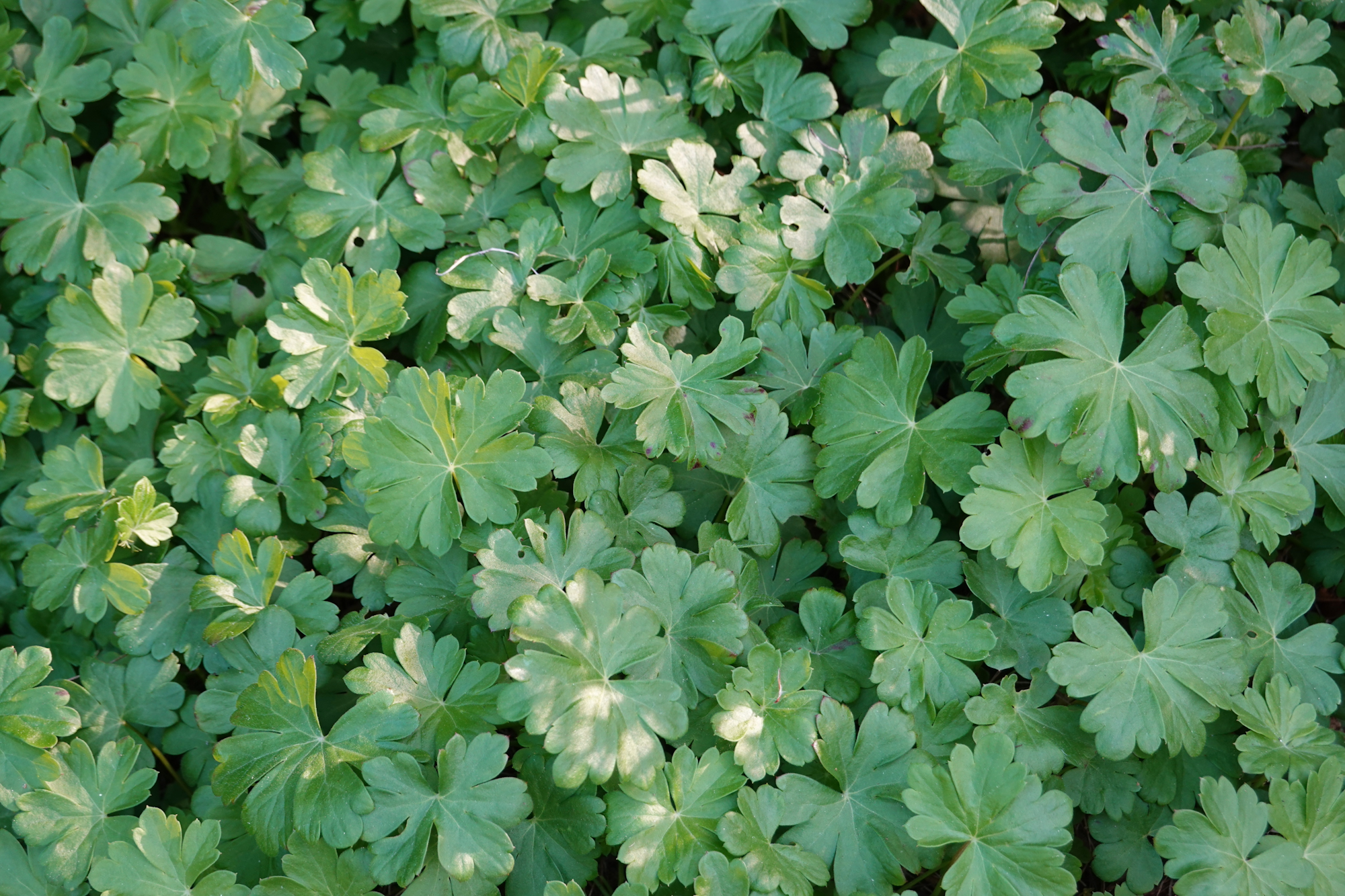
Leaves: Leaves are shiny, rounded, and deeply lobed, with a waxy appearance that makes dense infestations easy to recognize.
Flowers: Flowers are small, bright pink, 5-petaled, and grow close to the leaves. Blooms from April to July. Flowers are typically borne in pairs on short stems.
Stems: Stems are smooth, often red or reddish, and branch from a weak central root.
Dispersion: Spreads by seed and can self-pollinate or cross-pollinate.
Seeds: Seeds typically germinate in fall or early spring. Each plant can produce large quantities of seed, which can remain viable in the soil for many years. Seeds are small and easily spread by people, animals, water, vehicles, and contaminated soil. Seeds are explosively discharged from the plant and can travel several feet.
Impacts: Shiny geranium forms dense carpets that displace native understory plants, reducing plant diversity and limiting habitat for wildlife. It is especially aggressive in oak woodlands and forest understories.
Other notes: Plants often turn reddish as they mature or when exposed to the sun. Shiny geranium can establish in both disturbed and relatively undisturbed habitats and spreads rapidly once established.
Toxicity: Not known to be toxic
Shiny geranium is an aggressive invasive species in the Pacific Northwest. Native to Europe, Asia, and northern Africa, it has spread widely throughout western Oregon. This low-growing plant thrives in shaded environments such as forests, oak woodlands, riparian areas, and roadsides, but can also tolerate a variety of light and soil conditions.
Shiny geranium establishes quickly and can dominate sites within a few growing seasons. Its early germination, often in fall, gives it a competitive advantage over native plants in spring. Once established, it forms dense mats that prevent other vegetation from growing. Seeds are produced in large numbers and can persist in the soil for many years, making long-term management necessary.



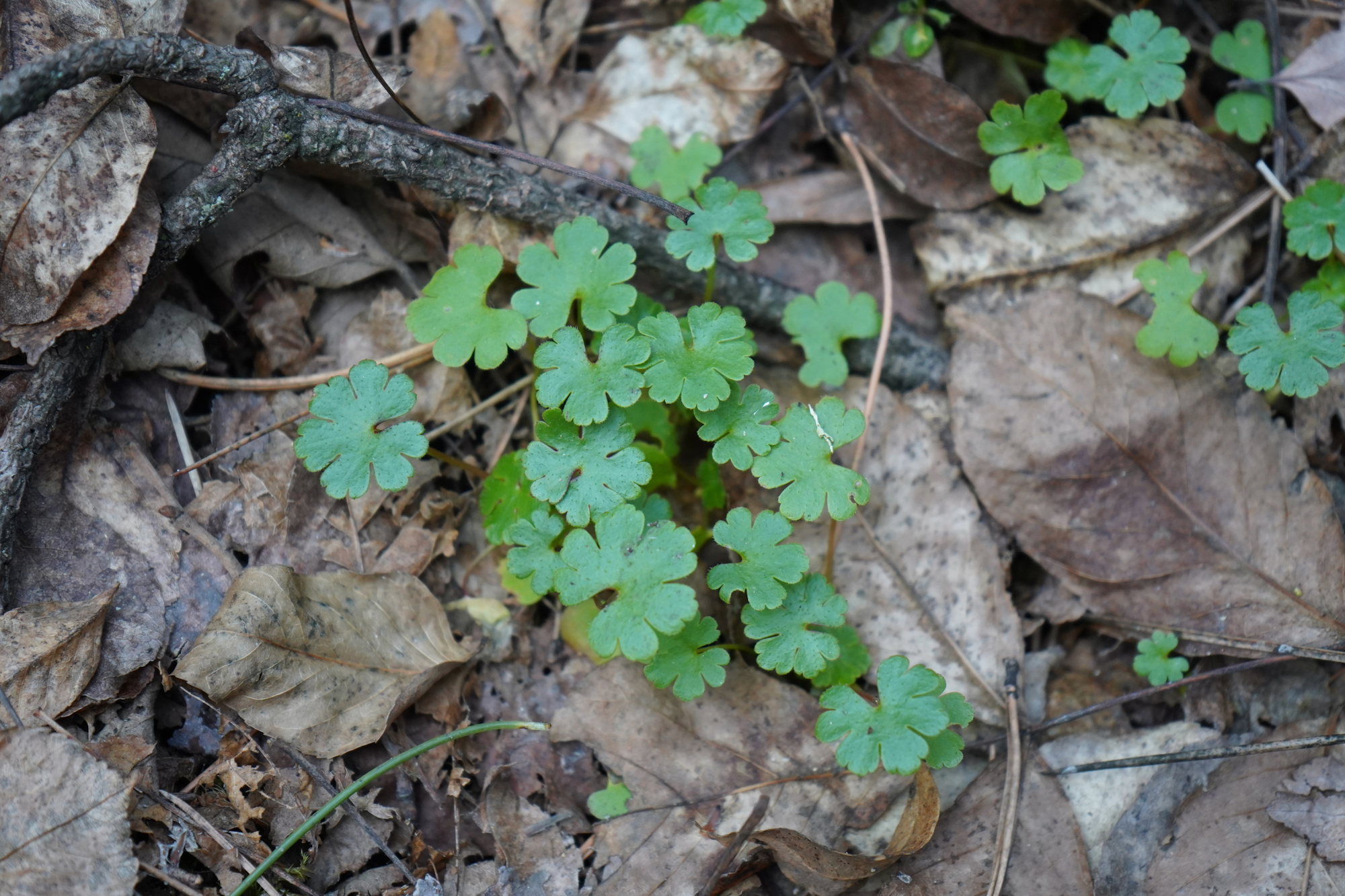
IF SEEN:
- Manual Control: Hand-pulling individual plants is effective, especially when the soil is moist. Plants have a shallow root system and are relatively easy to remove. It is best to pull plants before they go to seed, as mature plants can eject seeds when disturbed. If plants are flowering or seeding, carefully place all plant material into a bag and dispose of it in the garbage. Thoroughly clean boots, clothing, and tools before leaving the area to avoid spreading seeds to new sites. After removal, consider replanting with native vegetation to reduce reinfestation. Continue to monitor the site, as seeds can remain viable in the soil for several years.
- Chemical Control: Herbicide may be needed for large or dense infestations and is most effective when applied to young plants in early spring or fall. Take care to avoid contact with native and other desirable plants. Please consult the local OSU Extension Office or the Oregon Department of Agriculture before beginning any chemical treatment
Please contact us for free technical-assistance if you have garlic mustard growing on your property. You can also make an observation/track plants through iNaturalist.